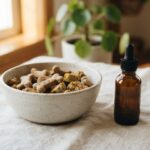

Daily pet wellness is usually built from ordinary habits rather than a single product. Nutritious food, exercise, preventive care, dental hygiene, clean water, and regular observation form the foundation of a dog’s routine. When a treat contains CBD, the decision requires another level of consideration because cannabinoid products vary in formulation, concentration, labeling, and available evidence. Holistapet CBD Dog Treats are available in many forms, including soft chews, biscuits, and training rewards. Their appearance may be similar to ordinary snacks, but the addition of cannabidiol makes product evaluation more important. CBD, or cannabidiol, is a cannabinoid found in cannabis plants. THC is a separate cannabinoid associated with intoxicating effects and can be harmful to dogs. The U.S. Food and Drug Administration has not approved cannabis or cannabis-derived products for use in animals, and questions remain regarding appropriate veterinary applications.
Everyday Wellness Starts With Consistency
A dog’s routine provides useful structure. Regular meal times can make appetite changes easier to recognize. Familiar exercise patterns can make changes in mobility more noticeable. Consistent sleeping habits can also help owners recognize when something seems unusual.
Basic Care Comes Before Specialized Products
The core elements of canine care include:
- A nutritionally complete diet appropriate for the dog’s life stage
- Fresh drinking water
- Suitable physical activity
- Adequate rest
- Preventive veterinary care
- Dental hygiene
- Parasite prevention
- Safe living conditions
These fundamentals remain important regardless of whether a dog receives specialized treats.
A product marketed for wellness should fit into a sound care routine rather than replace ordinary nutrition or veterinary treatment.
Treats Are Still Food
Treats can be useful during obedience training, grooming, socialization, or other activities. A small food reward can reinforce a desired behavior and help create positive associations with routine experiences.
Calories still count. Dogs may receive more treats than expected when several people participate in training or when rewards are given casually throughout the day.
Dogs with weight-management needs require particular attention to treat portions. Excess calories can contribute to weight gain, which may affect mobility and overall health.
Understanding CBD in the Pet Market
CBD has become a common ingredient in products marketed for pets. Its popularity does not mean every proposed use has been established through veterinary research.
What CBD Is
Cannabidiol is one of many cannabinoids naturally found in cannabis plants. Hemp can contain CBD along with other plant compounds.
THC is a different cannabinoid. It can cause intoxication and other adverse effects in dogs. Possible signs of cannabis exposure include lethargy, vomiting, impaired coordination, agitation, tremors, and changes in heart rate.
The difference between CBD and THC matters when reviewing product labels. A product described as hemp-derived should still be checked for its stated cannabinoid content.
Product Strengths Are Not Uniform
The amount of CBD can vary considerably between products. Some labels provide CBD per individual treat, while others list the total amount contained in the entire package.
For example, a package containing 300 milligrams of CBD across 30 evenly formulated treats would mathematically contain 10 milligrams per treat.
That calculation only describes the stated concentration. It does not establish that 10 milligrams is an appropriate amount for an individual dog.
The FDA has stated that the safe and effective dosage of unapproved CBD products for particular animal uses has not been established.
How to Assess Product Quality
Product quality involves more than the presence of CBD. Ingredients, cannabinoid concentration, testing information, manufacturer details, and suitability for the individual dog all deserve consideration.
Read the Entire Label
Before choosing a CBD-containing treat, review:
- CBD concentration per treat or serving
- Complete ingredient list
- THC information
- Feeding directions
- Manufacturer details
- Batch or lot number
- Storage instructions
- Available laboratory testing
The ingredient list can reveal potential concerns unrelated to CBD.
A dog may tolerate cannabidiol but react to a protein source, flavoring, oil, or another ingredient in the recipe. Dogs with food allergies or prescribed diets require particularly careful ingredient screening.
Look for Traceable Testing
A certificate of analysis, commonly called a COA, can provide laboratory information about CBD, THC, and other cannabinoids. Depending on the laboratory, testing may also cover pesticides, heavy metals, microorganisms, and other contaminants.
A batch-specific report is generally more useful than a generic report because it can be connected to a particular production run.
The FDA has previously reported discrepancies between labeled and measured CBD concentrations in some products and has investigated contamination concerns involving CBD products.
Testing can help answer questions about what is present in a product. It does not prove that the product provides a particular health benefit.
Wellness Claims Need Context
CBD pet products may be described using terms such as calming, soothing, natural, comfortable, or wellness-focused. These descriptions should not automatically be treated as evidence of clinical effectiveness.
Ask What the Claim Means
A practical review can ask:
- What specific effect is being claimed?
- Has the product or a comparable formulation been studied in dogs?
- Was the research conducted for the same condition?
- Was a comparable amount used?
- Does the claim involve treating a medical problem?
These questions help distinguish product information from medical evidence.
Medical Symptoms Need Investigation
A dog that develops persistent diarrhea, repeated vomiting, sudden appetite loss, seizures, severe weakness, breathing difficulty, or a major behavioral change may need veterinary assessment.
A specialized treat does not identify the cause of a symptom.
For example, reduced activity in an older dog could be related to arthritis, injury, excess weight, muscle weakness, dental discomfort, or another health problem. A treat marketed for mobility cannot determine the underlying cause.
Choosing According to the Dog
A product that may be suitable for one dog may be inappropriate for another.
Puppies and Growing Dogs
Puppies have changing nutritional requirements. Their diets are designed to support growth and development, so unnecessary dietary additions should be considered carefully.
Training treats can still be useful. Small portions of an appropriate food reward may provide enough reinforcement without adding excessive calories.
Adult Dogs
Adult dogs may have more stable nutritional requirements, but allergies, body condition, activity level, medication use, and medical history remain relevant.
A new treat should be introduced carefully. Changes in appetite, digestion, energy, or behavior should be monitored.
Senior Dogs
Senior dogs may develop gradual changes in movement, appetite, sleep, and behavior.
A persistent or sudden change should not automatically be attributed to normal aging. Veterinary evaluation can help determine whether arthritis, injury, neurological changes, dental problems, or another condition is involved.
Medication and CBD
Dogs receiving medication require additional caution. CBD may affect biological pathways involved in the metabolism of certain medications.
Provide Complete Information
When discussing CBD with a veterinarian, provide:
- Product name
- CBD concentration
- Complete ingredient list
- THC information
- Available laboratory report
- Current medication list
- Other supplements being used
This information gives the veterinarian a clearer picture of potential interactions.
Watch for Unusual Responses
Possible effects associated with CBD exposure include sleepiness, diarrhea, decreased appetite, and changes in liver-related measurements.
If unusual symptoms appear after introducing a new product, further use should be paused while veterinary advice is obtained.
Suspected THC exposure or accidental consumption of a large quantity should be treated as a veterinary concern.
Current Regulatory Information
The FDA has not approved cannabis or cannabis-derived products for use in animals. Commercial availability should therefore not be interpreted as proof that a particular CBD product has been approved for a veterinary purpose.
The agency has continued examining cannabis-derived products used in veterinary medicine, including questions about product quality, potential benefits, adverse events, drug interactions, and toxicological concerns.
The regulatory situation makes careful evaluation of product claims especially important. A product being sold commercially does not automatically establish its effectiveness or safety for a particular dog.
Keeping Wellness Practical
A practical wellness routine does not need to be complicated. Keep portions consistent, account for all treats given during the day, store products securely, and observe the dog’s response to new foods.
For training, smaller rewards can help manage calorie intake. If CBD is being considered because of a health concern, veterinary advice should come before changing the dog’s routine.
Final Thoughts
Everyday pet wellness depends on consistent nutrition, activity, preventive care, and observation of health changes. CBD-containing treats require additional scrutiny because evidence and regulatory approval for animal use remain limited.